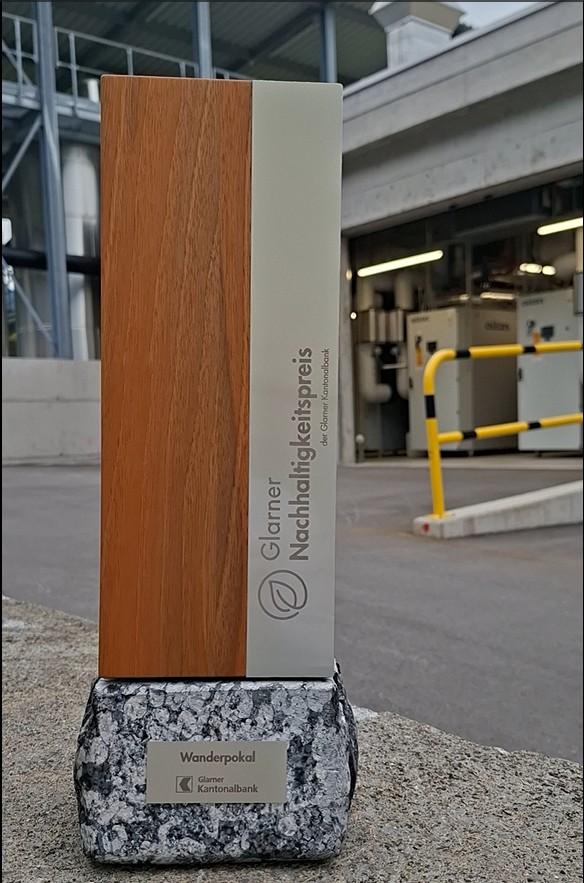
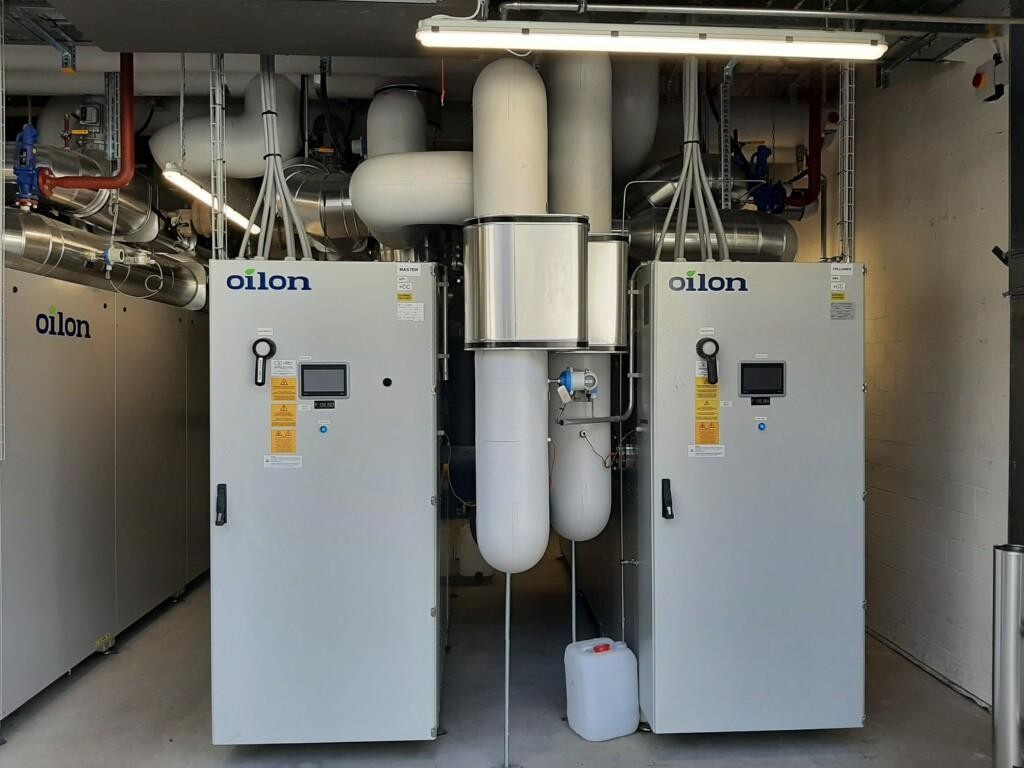
Swiss company Proto Chemicals AG has won the Canton of Glarus’s sustainability award for a solution that reduces energy consumption and fossil fuel emissions in pharmaceutical manufacturing. Finnish company Oilon provided the heat pump technology for the project.
Proto Chemicals received the top prize in the Glarner Nachhaltigkeitspreis 2026 competition on September 18. The award carries a prize of 10,000 Swiss francs, and a total of 25 projects participated in the competition.
The winning solution has been implemented at Proto Chemicals’ pharmaceutical production plant in Mitlödi. The project captures waste heat and cooling energy generated during the production process and repurposes them for process heat generation.
A key component of the solution is the industrial heat pumps supplied by Oilon, which allow thermal energy to be raised to a higher temperature and fed back into the production process. The system also utilizes electricity generated from Swiss hydropower.
According to Glarner Kantonalbank, the solution reduces the production plant’s carbon dioxide emissions by approximately 1,600 tonnes annually and saves about 4 gigawatt-hours of primary energy per year. The organizer describes the solution as one of the first industrial-scale systems enabling pharmaceutical manufacturing without the use of fossil fuels.
The concept behind the solution is to utilize the energy generated during production as efficiently as possible. Instead of venting waste heat away, it is captured and boosted back to the temperature required for the process using a heat pump.
Oilon’s industrial heat pumps are specifically designed to harness industrial waste heat and integrate heating and cooling functions. According to the company, heat pump technology allows energy to be transferred from one stage of the process to another, thereby reducing the need for external energy.
The award received by Proto Chemicals serves as a concrete example of how heat pump technology can be applied in the energy-intensive pharmaceutical industry. It also demonstrates how waste heat from production can be converted into reusable process energy.